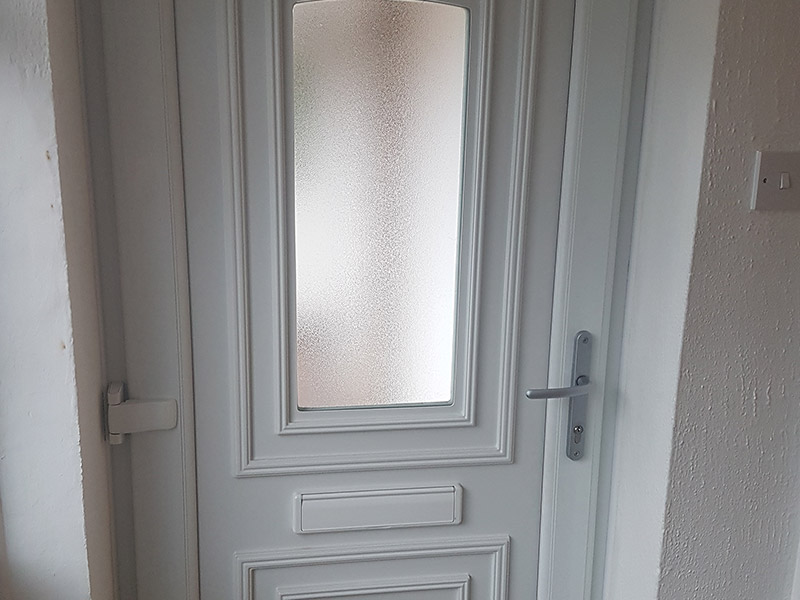
Lancaster gives a locksmith plenty of different doors to work with.
There are older brick homes and rowhouses closer to the city, apartment properties, newer houses farther out, downtown shops and offices, plus the normal mix of cars in driveways, parking lots and garages. A lock problem on an older front door near downtown can have very little in common with a lost car key on the other side of town.
Fern Rock Hardware - Locksmith Services has been working with locks, keys, doors and hardware for more than 20 years. That experience tends to make us look at the whole situation before deciding what needs to come off the door.
A stiff key does not automatically mean a bad cylinder. A missing key does not automatically mean a new lock. And an older piece of hardware is not automatically something that needs replacing.
There are usually a few things worth checking first.
One of the most common home lock problems starts slowly.
The deadbolt still works, but you have to pull the door toward you. Then it needs a harder turn. Eventually everybody who lives there knows the trick, so the problem becomes part of using the house.
That is worth looking at before the lock finally stops cooperating.
Try the deadbolt while the door is open. If it moves easily there and becomes difficult only after the door closes, the lock itself may not be the main problem. The bolt could be rubbing against the strike, the hinges may have moved slightly, or the door may simply sit differently in the frame than it did years ago.
Older Lancaster homes can have doors that have been painted, repaired and adjusted many times. One owner changes the lock, another changes the hinges, somebody else works on the frame. Eventually all those little changes meet at the deadbolt.
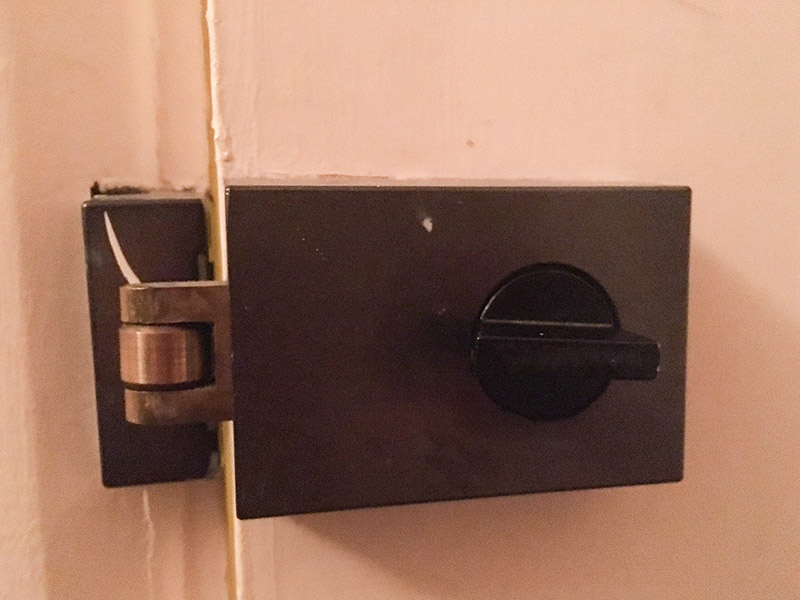
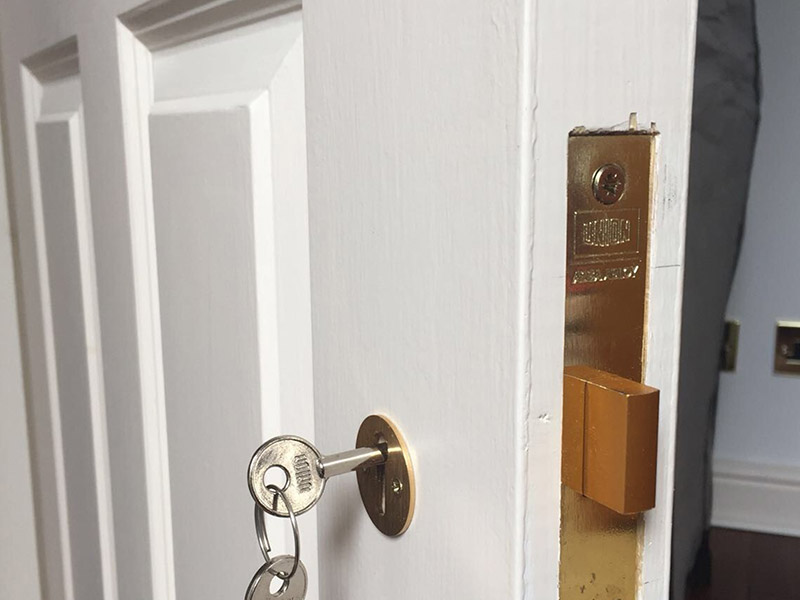
Our residential locksmith service includes home lockouts, deadbolts, lock repair, lock changes and smart-lock work. Sometimes replacing the lock is exactly what the door needs. Other times the existing hardware is fine once the surrounding problem is corrected.
We would rather know which situation we have before putting something new on the door.
The keys you receive with a house tell you almost nothing about how many keys have existed over the years.
That is particularly worth considering with a property that has changed owners or tenants more than once. A neighbor may once have had a spare. Contractors may have been given copies. Family members had them. Maybe the previous owner genuinely returned every key they knew about and there are still two copies nobody remembers.
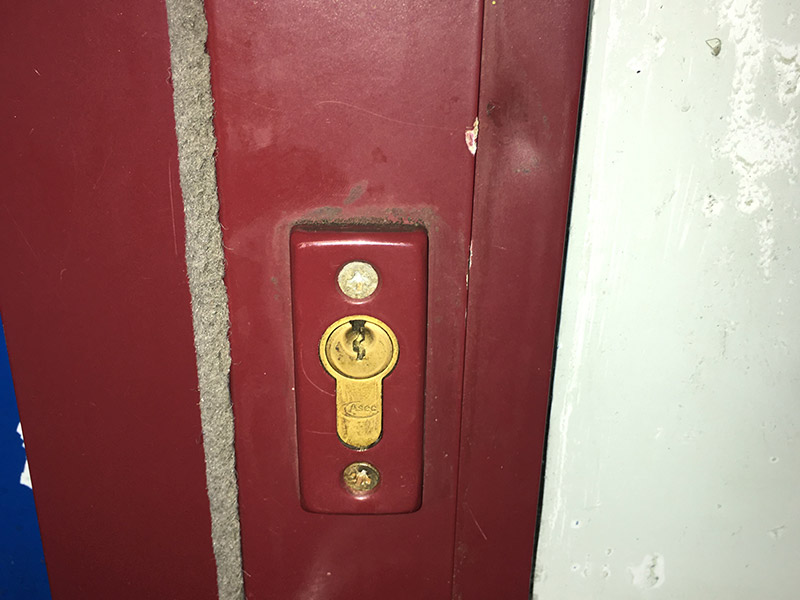
If the locks are working properly, this is where it can make sense to rekey locks rather than replace good hardware.
The existing locks stay on the doors, but the old keys stop operating them. You start with a fresh set.
There is another practical issue we often find when walking around a house: too many keys for too few doors.
The front deadbolt uses one. Rear entrance uses another. There is a separate key for a side door, and nobody has been able to identify the little brass key on the ring since closing day.
If the locks are compatible, some may be able to use the same new key. That is something we can check while doing the rekey rather than automatically replacing hardware just to make everything match.
Older locks deserve a little judgment here. A well-made lock that still operates properly may be worth keeping. A loose cylinder that has already been repaired several times is a different story.
Walk through downtown Lancaster and there are storefronts, restaurants, offices and mixed-use buildings where the entrance gets considerably more use than the average house door.
That eventually shows.
A commercial door can open and close all day. The closer is working every time. Employees have keys, deliveries come through, customers pull on the door, and somebody occasionally props it open with whatever happens to be nearby.
Then the owner notices that it does not latch as cleanly as it used to.
For our commercial locksmith work, we pay attention to more than the key cylinder. If the lock behaves normally while the door is open, the problem may be in the alignment, closer, hinges or strike.
Business key control is another common reason for locksmith work even when the door works perfectly.
Employees change. Managers change. Keys get copied when somebody needs access. A few years later there can be more working copies than anyone can confidently account for.
Rekeying can reset that without automatically replacing otherwise good commercial locks.
If several doors are involved, tell us how the business actually uses them. The customer entrance, employee entrance, rear delivery door and office door do not necessarily need the same access.
Car-key calls have their own set of questions, and the useful information starts with the vehicle.
Year, make and model first.
If the key is sitting on the front seat, tell us that. If the only key disappeared somewhere between the car and wherever you went next, that is different. If the fob is still in your hand but the vehicle is not recognizing it, that changes things again.
Our car locksmith work covers vehicle lockouts and replacement-key problems for many makes and models. Depending on the car, another key can involve mechanical cutting, electronic programming or both.
A working spare also matters. If there is one at home, mention it before deciding that every key has been lost.
Lancaster spreads out beyond downtown, so a car-key problem may happen in a residential driveway, outside work, near a shopping area or somewhere along the busier roads leading toward Route 30 or Route 222. The location helps us find the car; the vehicle details tell us much more about the key.
If it is simply a lockout, check every door and the hatch first. It costs nothing and occasionally solves the problem.
Some locksmith work gets planned. Some of it absolutely does not.
A house key snaps while you are leaving for work. The apartment door closes behind you. A business is ready to close for the night but the entrance will not secure. Those are the situations where our emergency locksmith service becomes relevant.
Tell us what happened immediately before the problem.
A key that broke after becoming harder to turn for several weeks gives us useful history. A lock that failed without any warning is different. If the keys are lost rather than inside, knowing whether they disappeared with anything showing your address can matter after access is restored.
If a piece of key is still inside the cylinder, try not to push it farther in with another key, knife or screwdriver. A broken piece sitting near the opening is usually a better starting point than one that has been driven deeper into the lock.
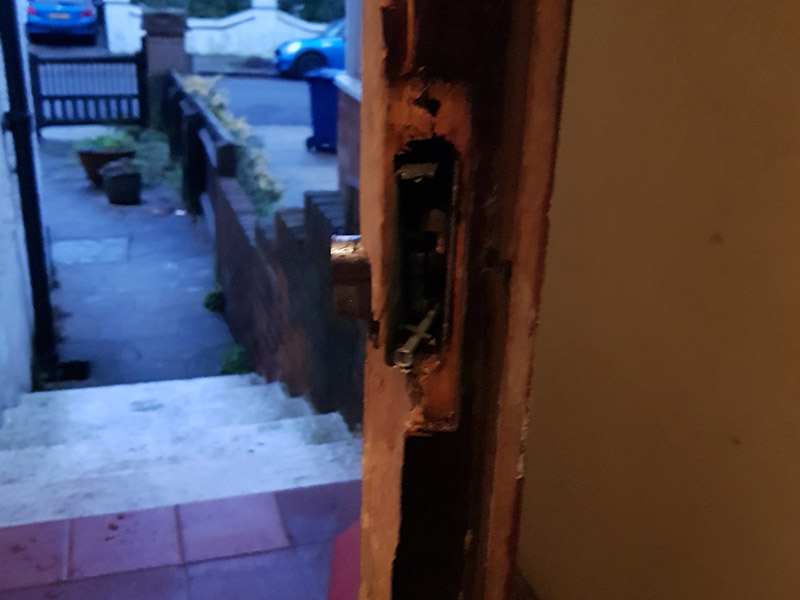
A photo can help here. For a door problem, include the lock and the edge of the door when possible.
The city has enough variety that we do not expect one standard job.
An older home near the center of Lancaster may have hardware that deserves a careful look before replacement. A rental may simply need new keying between occupants. A downtown business can have a door that has been opened thousands of times since somebody last thought about the hinges. A newer house farther out can have a keypad deadbolt with an alignment problem that has nothing electronic about it.
That is more useful to us than treating every address as the same set of locks.
If you arrived here while searching for a local locksmith, our main service-area page also covers the other communities and Philadelphia neighborhoods we serve.
If you are in Lancaster, start with what changed. The key is gone. The deadbolt works only with the door open. You just bought the property and want fresh keys. The business has an old employee key that needs to stop working.
Call Fern Rock Hardware - Locksmith Services when you need a locksmith in Lancaster, PA. Give us the part of the problem you already know, and we'll work out what the lock, key or door needs from there.